When it comes to landscaping projects in Loughborough and the East Midlands, railway sleepers are a popular choice for raised beds, edging, and other structural features. But with options ranging from oak and pine to other hardwoods, it can be difficult to decide which is right for your garden. To help you make an informed choice, we'll compare these sleepers based on appearance, lifespan, budget, and structural uses.
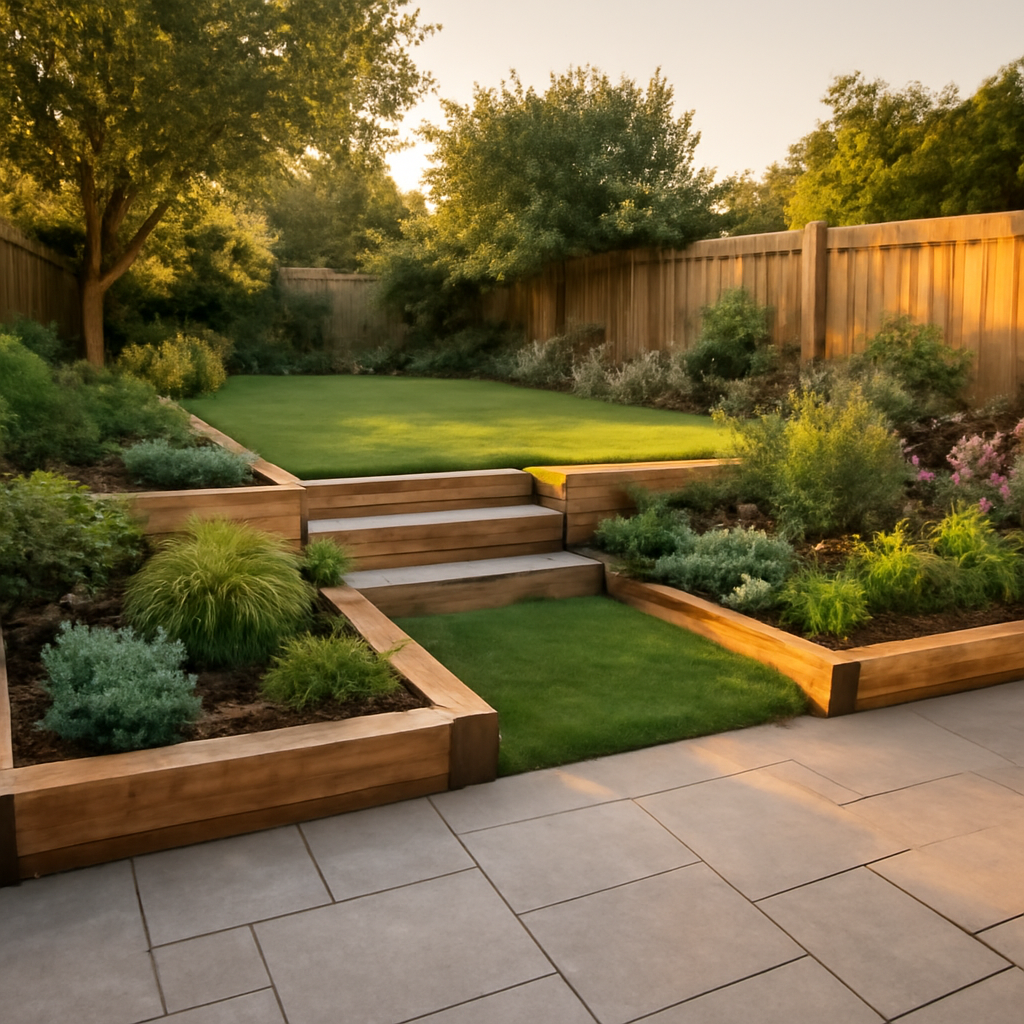
Oak sleepers are renowned for their natural beauty and durability. With their rich, deep grain and strong resistance to rot and insect damage, oak sleepers tend to last longer than softer woods. This makes them an excellent choice for garden structures you want to endure the British weather over many years. Their robust nature also means they can support heavier loads, perfect for retaining walls or large raised beds. However, oak sleepers do come at a higher price point, generally within the upper range of GBP 85 to GBP 140 per linear metre. As always, final pricing depends on factors like site access, ground levels, and material specifications.
Pine sleepers are a more budget-friendly option compared to oak. They typically have a lighter colour and a smoother finish but are less dense and more prone to weathering and decay over time unless treated properly. Their lifespan tends to be shorter, especially if exposed to prolonged moisture without maintenance. Pine sleepers suit projects where cost is a consideration and where you might want to replace or update elements every few years. For example, they’re ideal for decorative raised beds or temporary garden edging rather than heavy structural uses.
Hardwood sleepers other than oak, such as chestnut or larch, offer a middle ground in terms of cost and durability. They often provide a warm tone that complements outdoor spaces but vary widely depending on the type of hardwood and treatment applied. Some hardwood sleepers perform well structurally but may require additional protection to maximize lifespan. It’s important to clarify the specific hardwood type when discussing prices and suitability, as this affects both appearance and function.
When considering structural uses, the density and strength of the timber are key. Oak is best where compressive strength and longevity matter most. Pine is suitable for light-to-moderate use, especially if treated for outdoor conditions. Other hardwoods can fill a niche depending on availability and finish, but always discuss with your landscaper to ensure the chosen sleeper meets your project requirements safely.
Budget-wise, your choice will impact your overall landscaping costs. As a reference, installing railway sleeper raised beds typically ranges from GBP 85 to GBP 140 per linear metre, depending on the sleeper grade, height, fixing method, and ground preparation needed. These figures can vary significantly depending on site factors such as access, clearance, drainage, and whether levels need adjusting.
No matter which sleeper you choose, it’s worth supplementing these materials with a professional 3D garden design to visualise how the different options will look and fit in your outdoor space. Prices for 3D garden designs in Loughborough typically range from GBP 150 to GBP 450, depending on the garden size and number of revisions.
If you’re ready to discuss your landscaping project or want tailored advice on which sleepers suit your garden best, I recommend arranging a site visit. A thorough site inspection helps identify the right materials and budget considerations, ensuring no surprises during installation. For a quick chat or site visit booking, WhatsApp Aaron directly on 07454 978031.
WhatsApp Aaron on 07454 978031 to talk through a garden project.