When planning landscaping projects in Loughborough and the East Midlands, deciding on the right materials is important. Railway sleepers are popular for raised beds, edging, and other landscaping features. Oak sleepers, pine sleepers and hardwood sleepers each have their own benefits and drawbacks. Understanding these can help you pick the best option for your garden's appearance, longevity, budget, and structural needs.
Starting with appearance, oak sleepers have a rich, deep colour with natural grain patterns that mature to an attractive silver-grey patina over time. Pine sleepers begin as a paler yellowish wood, which darkens somewhat but tends to weather unevenly and may show knots or resin pockets. Hardwoods like tropical hardwood or other dense timbers tend to be mid to dark brown with a dense, fine grain that ages well and resists splitting.
In terms of lifespan, oak sleepers are very durable due to their natural strength and resistance to rot and insect attack. They often last 20 years or more, especially if treated. Pine sleepers are softer, more prone to decay and insect damage unless pressure treated or regularly maintained, typically lasting around 10 to 15 years outdoors. Hardwood sleepers also offer good durability, often similar to or exceeding oak, with enhanced resistance to weather and decay.
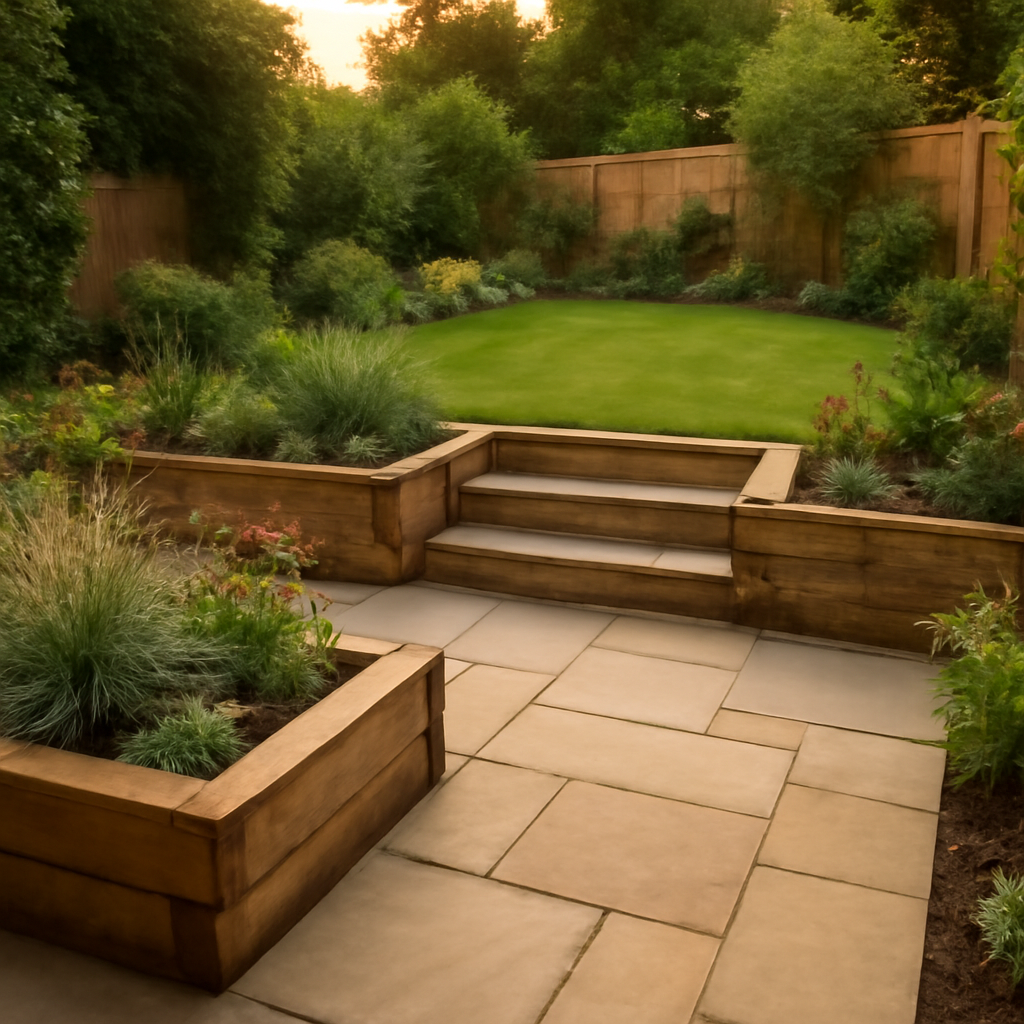
Budget is often a big factor. Pine sleepers generally cost less upfront than oak or hardwood options but may require replacement or more frequent treatment, leading to higher long-term expense. Oak sleepers come at a premium price, reflecting their strength and longevity. Hardwood sleepers fall between pine and oak pricing but vary depending on timber type and source. For reference, railway sleeper raised beds from us start from around GBP 85 to GBP 140 per linear metre, depending on sleeper grade, height and fixing method.
Structurally, oak sleepers are very strong and ideal for load-bearing features like steps, retaining walls or heavy garden furniture bases. Hardwoods also perform well for these uses thanks to their density and durability. Pine sleepers are better suited to decorative, light-duty applications or where cost is a priority, but they’re not recommended where significant structural support is needed without reinforcement.
Maintenance also differs. Oak sleepers usually need minimal upkeep aside from occasional cleaning and treatment to maintain colour or prevent moss growth. Pine, especially untreated types, benefits from regular sealing or painting to extend lifespan, while hardwoods fall somewhere in between with occasional maintenance recommended depending on conditions.
When considering your Loughborough or East Midlands landscaping project, it’s also important to remember that final costs depend on factors like site access, ground levels, drainage needs, and material specifications. We recommend a site visit to assess these details before confirming prices. For example, a simple Indian sandstone patio typically costs GBP 90 to GBP 120 per square metre installed under normal ground conditions, but complex sites will affect quotes accordingly.
Choosing between oak, pine and hardwood sleepers ultimately depends on your budget, the look you want, the expected wear and tear, and your maintenance plans. For long-lasting, strong features, oak or hardwood is typically best. For more cost-conscious, light-use projects, pine can be suitable when properly treated.
If you need help deciding which railway sleeper type is right for your garden design or landscaping project in Loughborough or the East Midlands, don’t hesitate to get in touch. We offer expert advice and 3D garden designs to help visualise layouts and materials to suit your space and preferences.
For a site visit or quick quote, WhatsApp Aaron on 07454 978031. We’re happy to discuss your project in plain English and provide transparent pricing based on your specific garden conditions.
WhatsApp Aaron on 07454 978031 to talk through a garden project.