When it comes to landscaping in Loughborough and the wider East Midlands, choosing the right type of railway sleepers can make a big difference to both the look and longevity of your outdoor space. Oak sleepers, pine sleepers and hardwood sleepers each have their own qualities, costs and practical uses, so it's worth understanding these differences before starting your project.
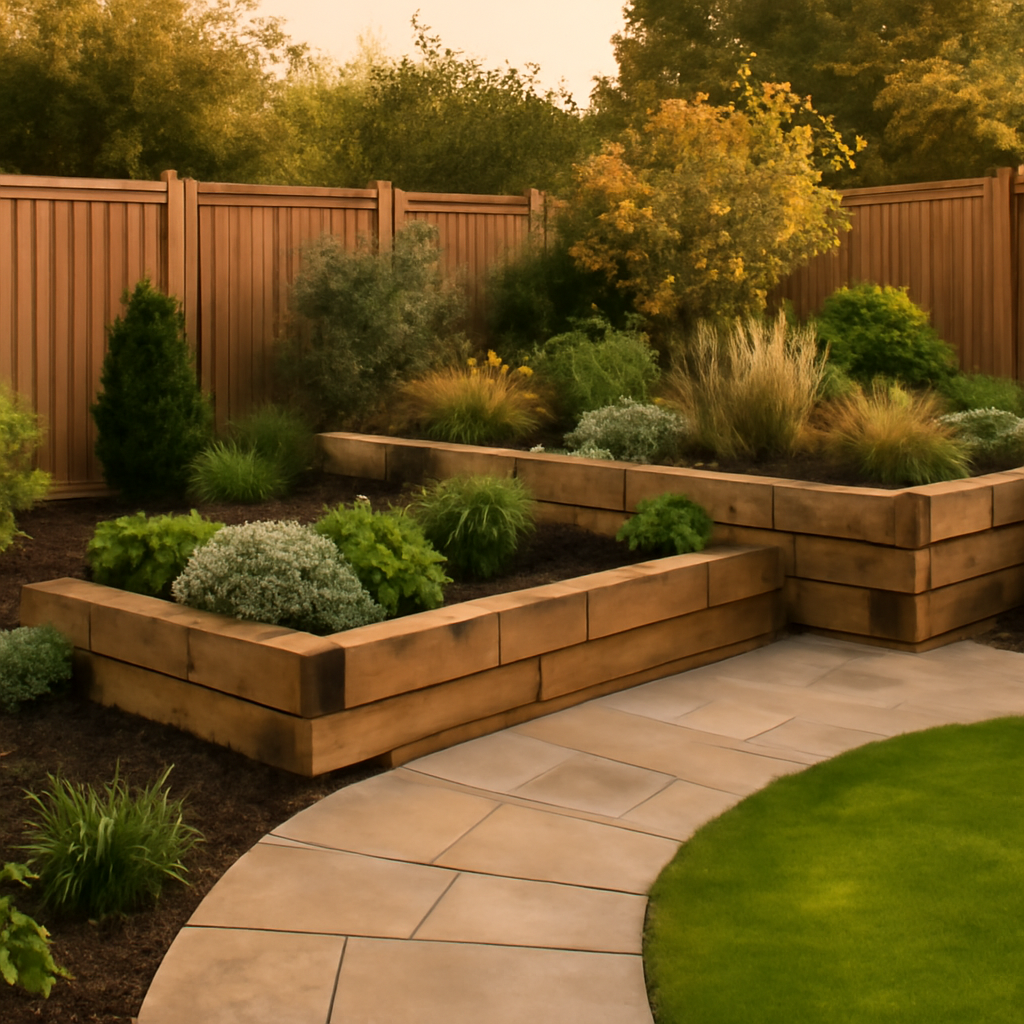
Oak sleepers are prized for their durability and classic appearance. They have a rich, deep colour and a natural grain that many find very attractive. Oak is a hardwood, generally resistant to rot and insect attack, which means sleepers made from oak typically have a lifespan of 25 years or more when used above ground. This makes oak sleepers suitable for structural uses such as retaining walls and raised beds that need to last. However, given their quality, oak sleepers tend to come with a higher price tag compared to softwood options.
Pine sleepers are the most budget-friendly of the three options. As a softwood, pine is lighter and easier to work with but also less durable. Pine sleepers are usually treated to help resist rot and decay, but even then they may last around 10 to 15 years outdoors. Their paler colour can work well in more casual or rustic garden designs. For non-structural uses like simple raised beds, garden edging or informal pathways, pine sleepers offer a cost-effective solution. If your project requires a lot of sleepers or is time-limited, pine might be the better choice.
Hardwood sleepers, which can include species like oak, birch or similar dense woods, generally fall somewhere between oak and pine in price and durability. These sleepers are tougher and usually last longer than softwoods but might not have the same rich appearance or longevity as oak. They tend to be quite solid for structural landscaping, making them a good middle-ground option, especially if you are looking for a good balance between lifespan and cost.
When planning your landscaping project in Loughborough, consider that railway sleeper raised beds generally range between £85 and £140 per linear metre. The final cost will vary depending on the sleeper type, size, height, fixing method and ground conditions. Access, drainage, and clearance can also affect installation costs, so it’s wise to get a site visit before settling on a budget.
Besides choosing sleepers, you might also be considering other elements like patios. For instance, if an Indian sandstone patio is part of your garden design, expect about £90 to £120 per square metre, while porcelain patios, which generally cost more, run from £110 to £150 per square metre. Block paving driveways can range between £80 and £115 per square metre. Keep in mind all prices depend heavily on site-specific conditions and preparation work.
To sum up, your choice between oak, pine and hardwood sleepers should be guided by how long you want the sleepers to last, the look you prefer, the structural needs of your project, and your budget. Oak offers excellent durability and appearance but at a higher cost, pine is an affordable option best suited to less permanent features, and hardwood sleepers offer a solid, durable compromise. A professional site visit will help clarify which option suits your garden best.
If you need help with 3D garden design or want advice on patios, hard landscaping and laying sleepers in the Loughborough and East Midlands area, I’m here to help. A full 3D garden design typically costs between £150 and £450 depending on size and complexity – a worthwhile investment to see your ideas come to life before work begins.
For a site visit or a quick, no-obligation quote tailored to your exact circumstances, feel free to WhatsApp Aaron on 07454 978031. Having a look onsite is the best way to get accurate pricing and advice to ensure your project runs smoothly.
WhatsApp Aaron on 07454 978031 to talk through a garden project.