When planning garden features with railway sleepers in Loughborough and across the East Midlands, making the right material choice can make a big difference in appearance, durability and budget. Oak sleepers, pine sleepers and hardwood sleepers each have their strengths and drawbacks depending on your landscaping needs.
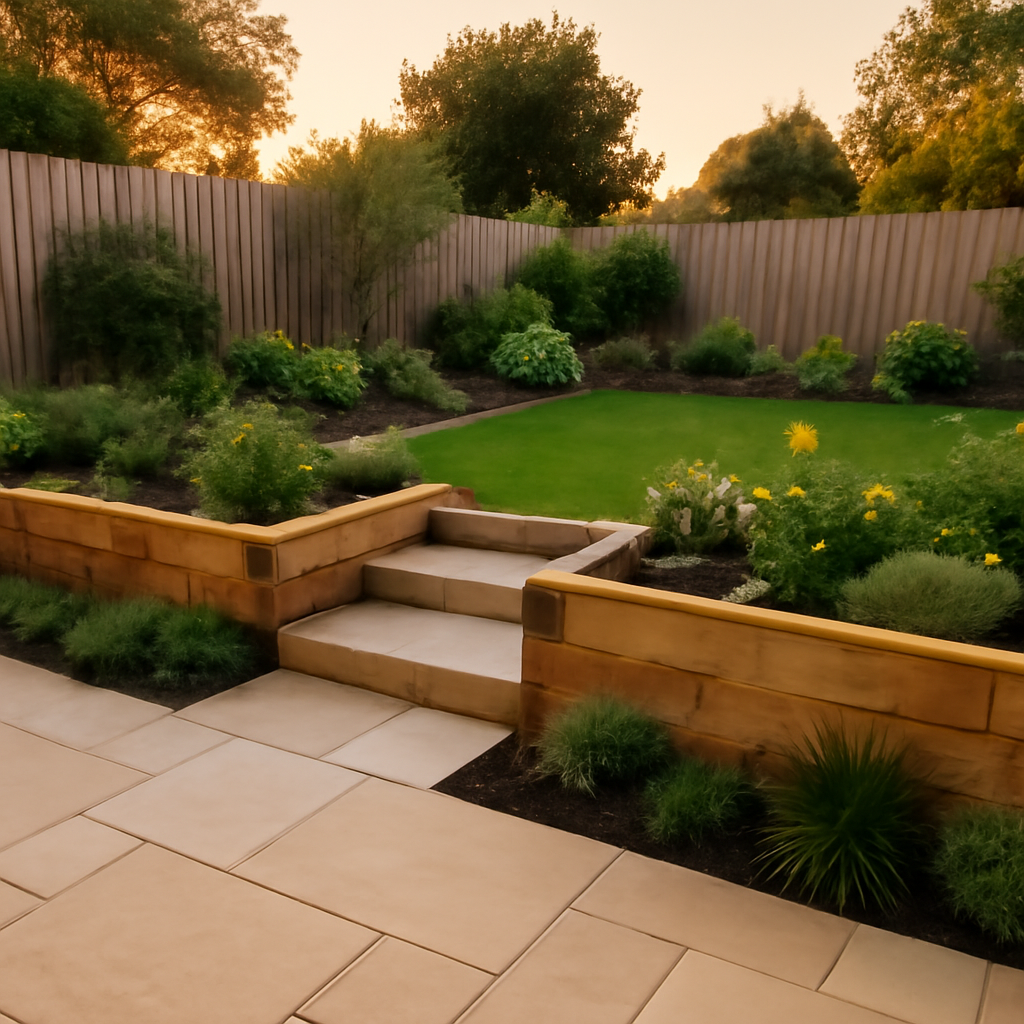
Oak sleepers stand out for their natural durability and classic look. With a rich grain and deep brown colour, oak adds visual warmth and structure to raised beds, retaining walls or steps. Oak is naturally resistant to rot and insects, giving it a longer lifespan than many alternative timbers. This quality often justifies the higher initial expense compared to pine or softwood options.
Pine sleepers are a popular budget choice suitable for projects that require quicker installation or less structural strength. Treated pine offers reasonable rot resistance but tends to weather faster than oak or hardwood. Visually, pine has a lighter colour with visible knots that some find rustic, but it will fade and grey over time in the outdoors. It’s best used in situations where replacement isn’t a major inconvenience.
Hardwood sleepers—typically sourced from tropical hardwoods—strike a balance between oak and pine. They often have deep colours and a smooth finish, resisting decay well if properly maintained. However, prices vary significantly depending on species and origin, and sourcing responsibly is important for environmental reasons. Hardwood sleepers can be strong enough for load-bearing uses such as retaining walls, but check specifics with your supplier.
In terms of lifespan, oak and hardwood sleepers generally outperform pine, often lasting 15-25 years or more if installed correctly. Pine may last closer to 10-15 years depending on treatment and exposure to moisture. Keep in mind that site conditions such as drainage, ground levels and exposure to weather can affect durability regardless of timber type.
Budget-wise, pine sleepers tend to be the most affordable option, with hardwood and oak at the higher end of the scale. For example, installing railway sleeper raised beds typically costs between GBP 85 to GBP 140 per linear metre, depending on sleeper grade, height, fixings and preparation. Final quotes always depend on access, site levels, drainage, clearance, and detailed material specification following a site visit.
Structurally, oak and hardwood are usually better suited to load-bearing landscaping like retaining walls or steps, thanks to their superior strength and longevity. Pine might be better for decorative raised beds, garden edging or smaller scale features where weight and moisture exposure are limited. Choosing the right fixings and ensuring good ground preparation help enhance longevity regardless of sleeper type.
For those considering a new patio or driveway alongside sleeper features, typical installation prices in the Loughborough and East Midlands area are useful to know: Indian sandstone patios cost GBP 90 to GBP 120 per square metre, porcelain patios between GBP 110 to GBP 150 per square metre, and block paving driveways fall in the GBP 80 to GBP 115 per square metre range. These are guide prices and vary with complexity and ground conditions.
If you’re unsure which sleeper material suits your landscaping project or want a tailored 3D garden design to visualise your ideas, I recommend arranging a site visit. A clear understanding of your garden’s levels, drainage and access will help provide an accurate quote and ensure the finished result meets your expectations.
For a site visit or quick quote in Loughborough or East Midlands, WhatsApp Aaron on 07454 978031. With practical experience in landscaping and design, I can help you choose the right sleepers and materials for a durable, attractive garden.
WhatsApp Aaron on 07454 978031 to talk through a garden project.