When planning a landscaping project in Loughborough or the East Midlands, choosing the right sleepers can make a big difference to both the look and durability of your garden features. Oak, pine, and hardwood sleepers each bring different qualities, costs, and uses. This post will help you understand these differences so you can pick what suits your needs best.
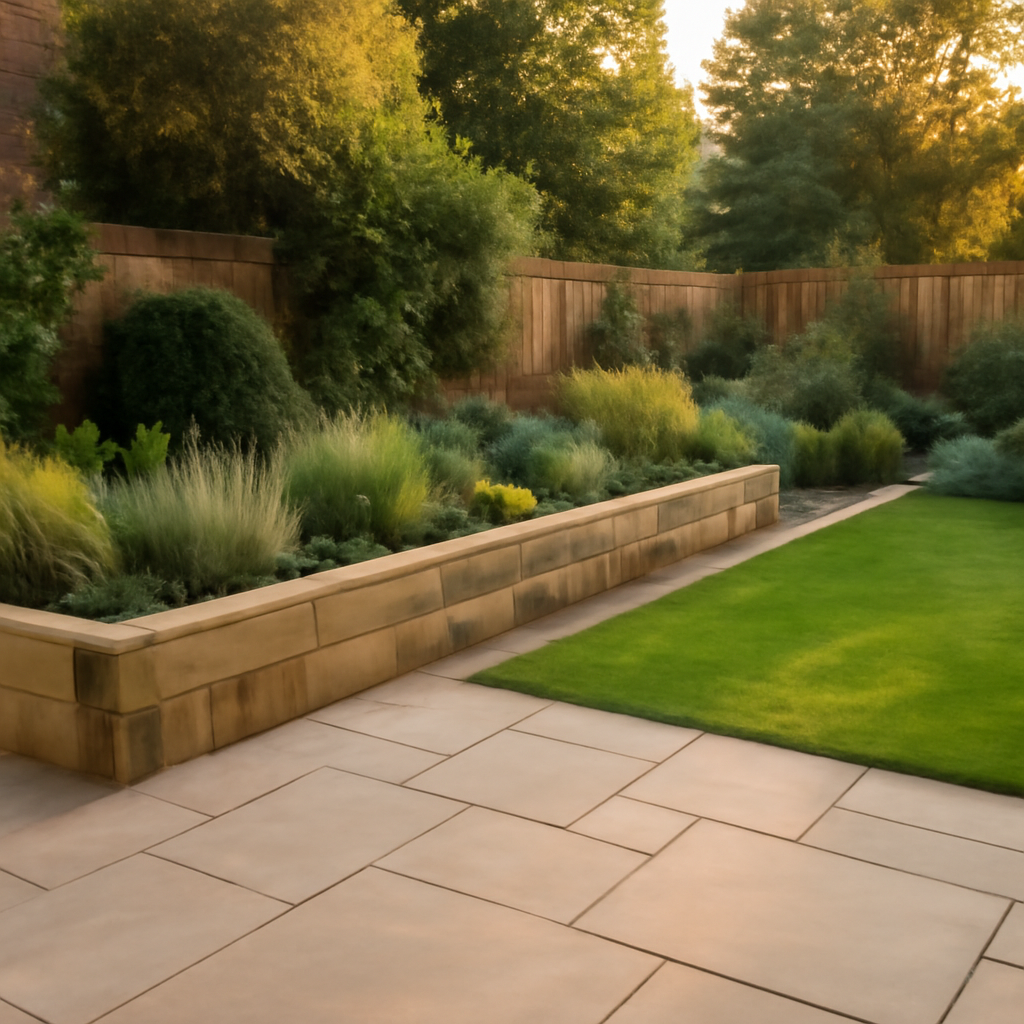
Starting with appearance, oak sleepers have a rich, warm tone with prominent grain patterns. They’re popular if you want a classic, high-quality look in raised beds, retaining walls, or edging. Pine sleepers tend to be lighter in colour with a more uniform texture. They have a rustic charm but will weather and grey over time if not treated. Hardwood sleepers cover a range of species, but generally offer a darker or more varied appearance and a premium finish compared to pine.
In terms of lifespan, oak sleepers are some of the most durable timber available. They can last 15 to 25 years or more outdoors if maintained properly. Pine sleepers are softer and less dense, so they usually last around 5 to 10 years before needing replacement or repair. Hardwoods, depending on the type, generally fall between pine and oak in terms of longevity but are often treated to improve durability for at least 10 to 20 years.
Your budget will be a major factor. Pine sleepers are usually the most affordable option, making them a good choice for larger projects or if you want a budget-friendly alternative. Oak sleepers come at a premium price, reflecting their quality and durability. Hardwood sleepers vary widely depending on the species but typically cost more than pine and less than oak. For example, railway sleeper raised beds typically cost between £85 to £140 per linear metre, depending on the sleeper grade and fixing method. Keep in mind that prices depend on site conditions like access, levels, and drainage.
Structurally, oak sleepers are well suited for load-bearing or retaining applications due to their strength and density. Hardwoods can also provide solid structural support but check the specific species and treatment. Pine sleepers are best used for lighter constructions like garden edging, raised beds, or decorative features, especially if treated with preservatives. Avoid relying on untreated pine for heavy structural work or long-term retaining walls.
At Worthington Landscape & Design, we often combine sleepers with hard landscaping elements like Indian sandstone patios priced between £90 to £120 per square metre or porcelain patios costing £110 to £150 per square metre, depending on material choice and site conditions. Our experience in the Loughborough and East Midlands area means we understand local soil conditions and garden styles, so we tailor solutions accordingly.
If you want a modern, detailed vision of your garden, consider our 3D garden design service, ranging from £150 to £450 depending on size and revisions. This can help you visualise how different sleepers and materials will look in your space before committing.
Choosing the right sleeper material depends on your aesthetic preferences, budget, project requirements, and how long-lasting you want the feature to be. Bear in mind site-specific factors like access, ground levels, drainage, and clearance can all influence the final price and suitability of materials.
For a fully tailored recommendation and accurate pricing, I recommend a site visit to assess your garden’s unique conditions and discuss design options. You can get in touch easily and quickly by WhatsApping Aaron on 07454 978031 for a site visit or brief quote.
Making an informed choice about oak, pine, or hardwood sleepers will ensure your outdoor space looks good and performs well over time. If you’re in the Loughborough or East Midlands area, I’m here to guide you through the process with practical advice and local expertise.
WhatsApp Aaron on 07454 978031 to talk through a garden project.